The gap
You know lifestyle shapes cognitive health. Short appointments leave little time to coach it.
The 2026 WHO guidelines on risk reduction of cognitive decline and dementia recommend that a tailored, multidomain approach may be offered, with moderate to high certainty of evidence.1
- The 2024 Lancet Commission estimated that addressing 14 modifiable risk factors could, in theory, prevent or delay nearly half of dementia cases.2
- The US POINTER trial found a structured, supported lifestyle program improved global cognition more than a self-guided one over two years.3
- Fewer than one in three Australians feel confident they know how to reduce their dementia risk.4
1World Health Organization. Risk reduction of cognitive decline and dementia: WHO guidelines, second edition. 2026.
2Livingston G, et al. The Lancet. 2024.
3Baker LD, et al. JAMA. 2025.
4Australian Institute of Health and Welfare, Dementia Awareness Survey, 2024.
Research findings describe results from published studies, not Cognevity clients. Individual results vary.
Patients who benefit most
- A family history of dementia and a wish to act early
- An APOE4 result and a need for structured support
- Memory concerns, after medical review
- Memory clinic recommendations that need carrying out
- Concerns that prompted a p-tau217 blood test
How we help
Your plan, built into daily life.
Lifestyle
- Food and metabolic health
- Movement
- Sleep
- Stress and recovery
- Cognitive and social activity
- Environment
Behaviour Change
- Accountability
- Motivation
- Daily routines
Cognevity Cognitive Baseline
A computer-based cognitive assessment using CNS Vital Signs, completed online. It gives you and your patient a baseline to track change over time, with results shared with you on your patient’s consent. It is not a diagnostic test. Purchase the Cognevity Cognitive Baseline
If it helps, we can send a short update before your patient’s next appointment, with any medical questions flagged. Only when you want it, and with your patient’s consent.
We work one-to-one online across Australia. Rachel is an experienced facilitator and educator, and in-person groups for your patients can be arranged in Sydney.
Scope of practice
Cognevity provides
- Coaching to put your lifestyle recommendations into practice
- Plain-English education on the research
- Support to carry out your plan
- A non-diagnostic cognitive baseline to track change
Cognevity does not provide
- Diagnosis or treatment
- Pathology ordering or interpretation
- Medication or supplement prescribing
About Rachel
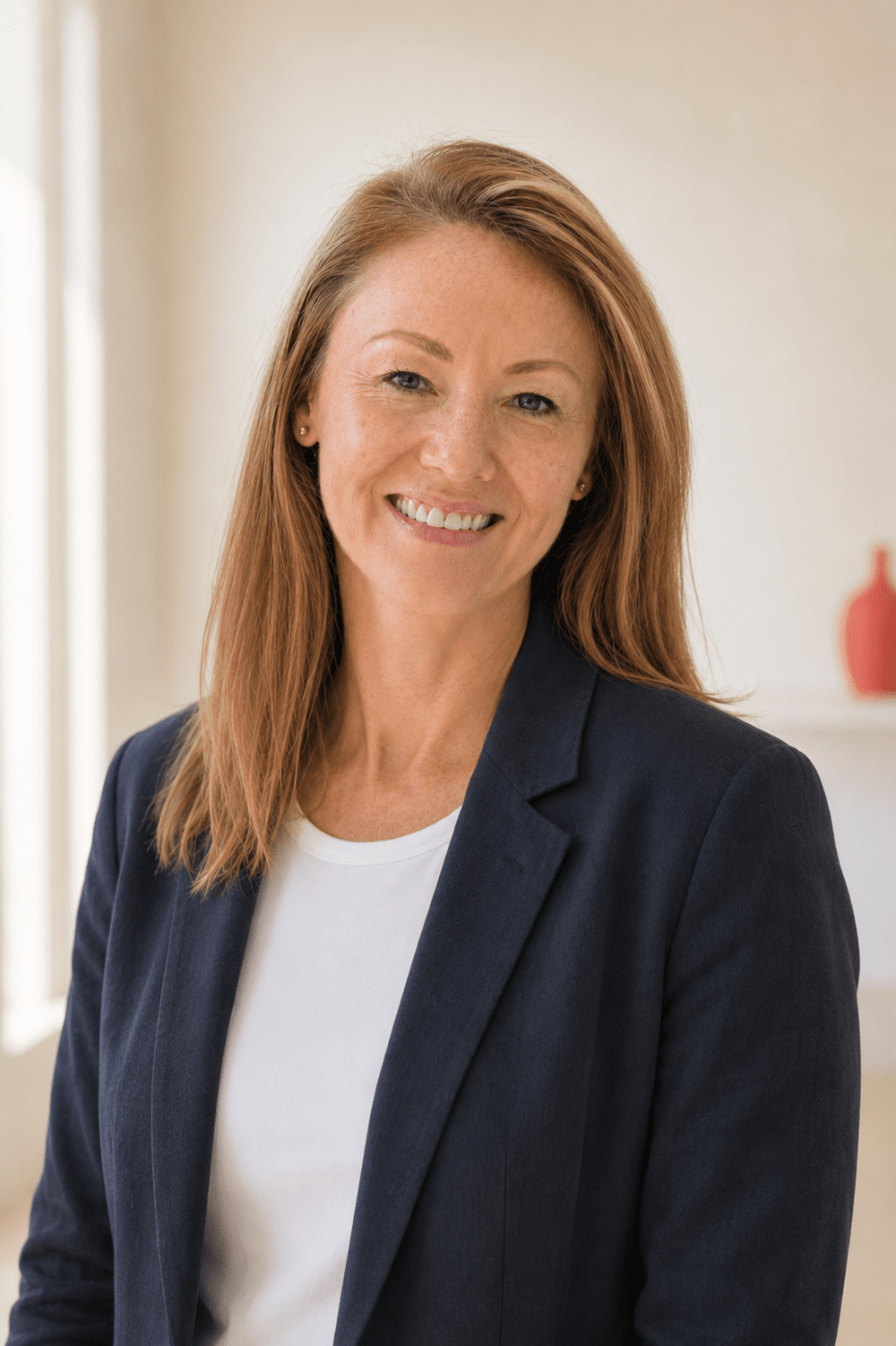
Rachel Puncheon is trained specifically in lifestyle approaches to cognitive health. She carries APOE4 and has put these changes into practice in her own life. She spent more than 25 years in senior corporate roles making complex information clear and guiding people through change.
Rachel Puncheon
- BSc (Hons)
- Functional Medicine Certified Health Coach
- HCANZA Registered Health and Wellness Coach
- ReCODE 2.0 Certified Coach
- Chair, Sydney Networking Group, Health Coaches Australia and New Zealand Association (HCANZA)
For your patients
A free call to see if it’s right for them.
Referred patients can book a free 20-minute fit call to see whether Cognevity is right for them.
Or share this link with your patients:
Patient fees
- Cognitive Health Clarity SessionOne 60-minute session to review where they are, answer their questions and agree next steps. Includes a written summary.$195
- Cognevity AlongsideFive one-to-one coaching sessions to put priorities into practice and keep going. The first session is 75 minutes; the other four are 50 minutes each.$1,250 or 2 × $625
- Cognevity Cognitive BaselineAn online CNS Vital Signs assessment with a report, to track change over time.$145
Not covered by Medicare.
Talk to Rachel
Book a 10-minute call to discuss a patient or how Cognevity fits your practice.
Free · For health professionals